Engineering & Manufacturing Solutions for Critical Cast Components
When original parts are obsolete, unavailable, damaged, or too slow to replace, Speed3D Mold connects reverse engineering, casting simulation, binder-jet 3D sand printing, and coordinated casting production in one engineering workflow.
- OEM Replacement
- No Drawing Required
- Engineering Review
- Multi-Material Manufacturing

We review the existing component, drawing, application, material and available technical information.
When Replacement Becomes an Engineering Challenge
Critical cast components can become difficult to replace when drawings are missing, conventional tooling takes too long, or production risks remain unresolved. Our workflow is designed to reduce these uncertainties before manufacturing begins.
Obsolete or Unavailable Components
Replacement is required, but the original supplier, pattern, or component is no longer available.
Learn more about replacement casting for obsolete parts
No Reliable Drawings or CAD Data
An existing component must be measured and reconstructed before a replacement can be engineered.
Long Conventional Pattern Lead Times
Traditional tooling may delay urgent replacement, prototype, or low-volume casting projects.
Casting Defects or Production Uncertainty
Filling, feeding, solidification, or geometry-related risks need to be evaluated before production.
From an Existing Part or Engineering Requirement to a Verified Casting
Each project follows the stages appropriate to its condition, geometry, material, quantity, and available technical data. The workflow connects engineering decisions with manufacturing evidence rather than treating each service as an isolated activity.
- 01
Customer Challenge
Review the replacement need, application, available part, drawings, material requirements, quantity, and delivery constraints.
- 02
Engineering Assessment
Evaluate feasibility, missing information, manufacturing risks, and the most appropriate workflow for the project.
- 03
Reverse Engineering
Capture and reconstruct usable geometry when reliable drawings or CAD data are unavailable.
Explore this stage - 04
Casting Simulation
Evaluate filling, feeding, solidification, and potential defect zones before committing to production.
Explore this stage - 05
3D Sand Printing
Produce molds and cores directly from approved digital data where patternless manufacturing is appropriate.
Explore this stage - 06
Casting Production
Coordinate material preparation, molding, pouring, and production according to the agreed manufacturing plan.
Explore this stage - 07
Inspection and Evidence
Document relevant dimensions, material verification, process evidence, or inspection results according to the project scope.
- 08
Delivery and Learning
Deliver the completed scope and retain verified engineering information that may support future replacement requirements.
Not every project uses every stage. The applicable stages, inspection activities, and documentation are agreed for each project scope.
What manufacturing challenge are you facing?
Choose the situation that best matches your project. We’ll guide you to the right engineering and manufacturing route.
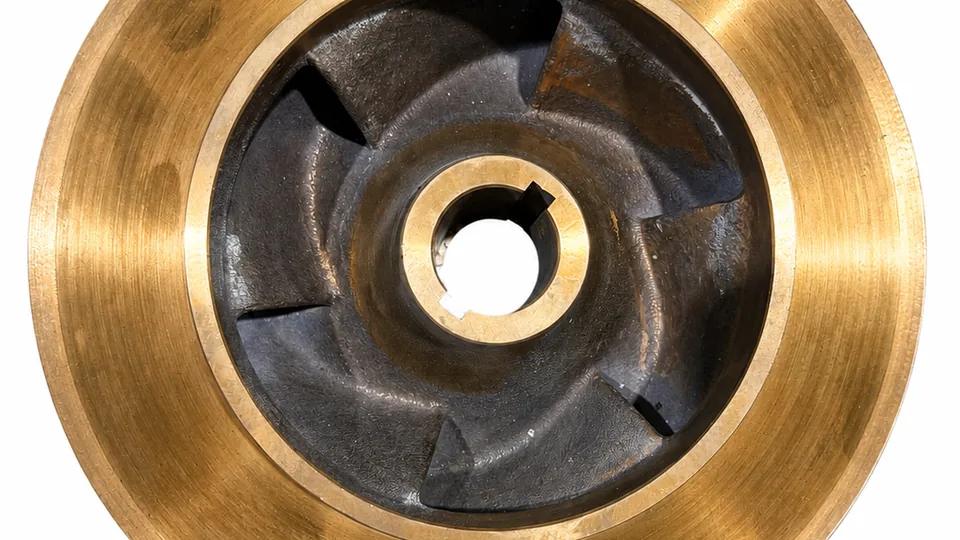
Is Your Critical Part Discontinued?
See how obsolete or unavailable components can be reproduced through a structured engineering and manufacturing workflow.
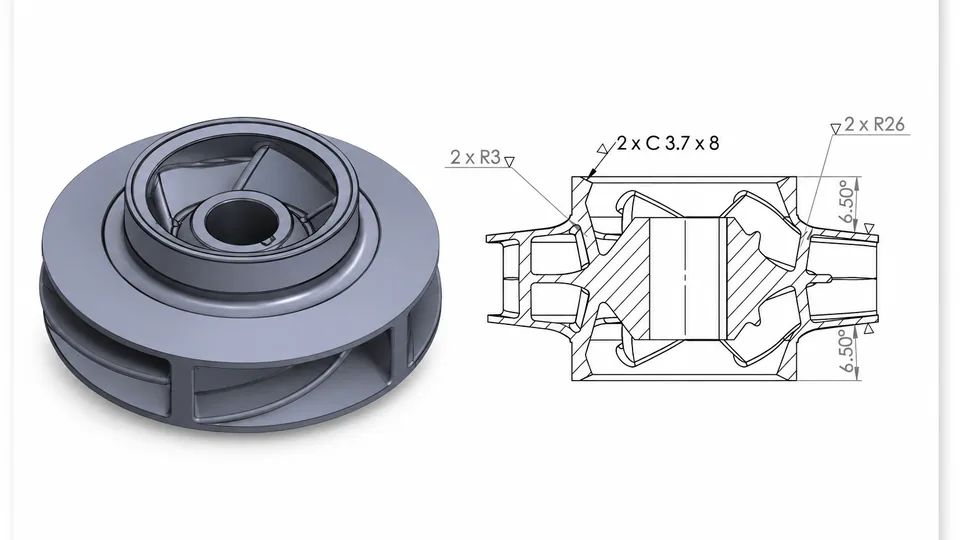
Only Have a Sample—No Drawing?
Explore how physical components can be converted into production-ready engineering data.
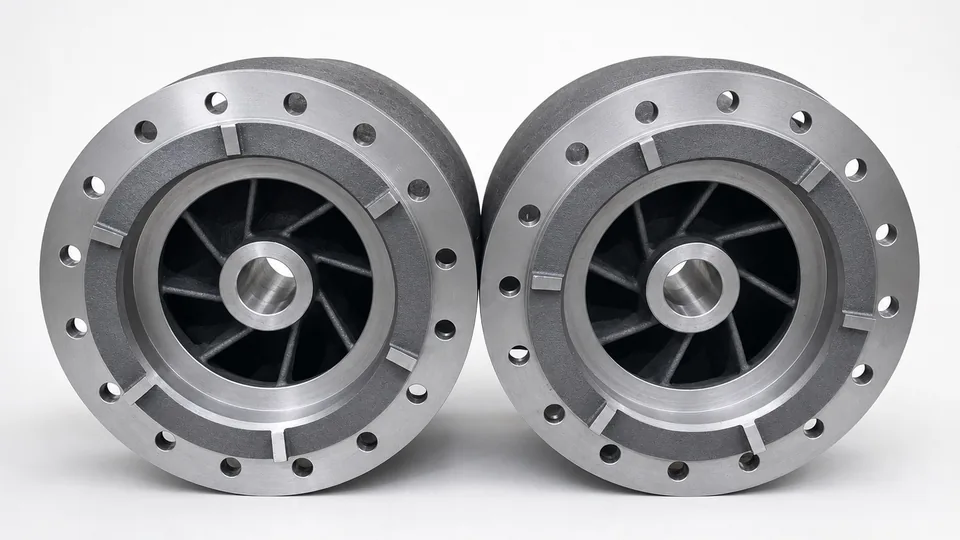
Need a Replacement Faster?
See how digital manufacturing can shorten the route from engineering data to replacement casting.
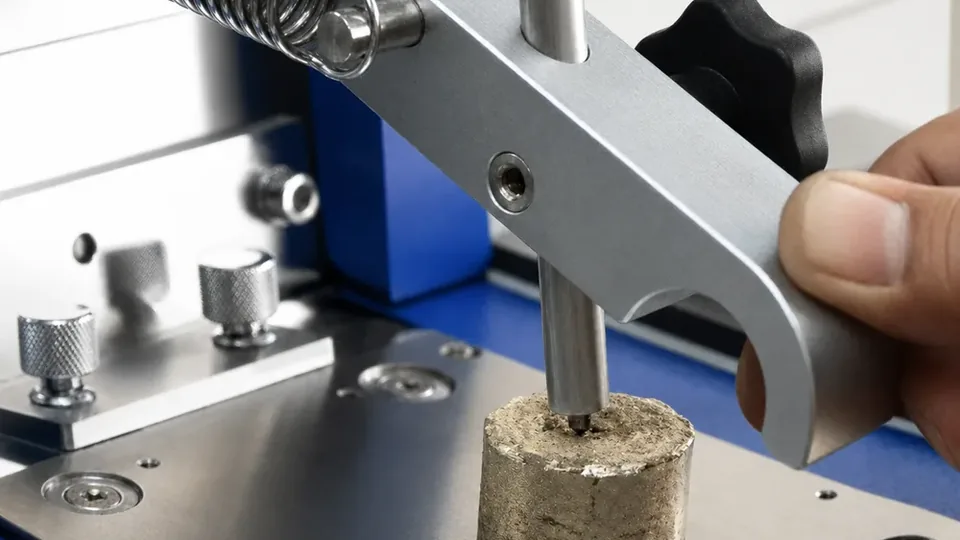
Not Sure Which Material Will Last?
Compare material options based on the component's application, operating conditions and performance requirements.
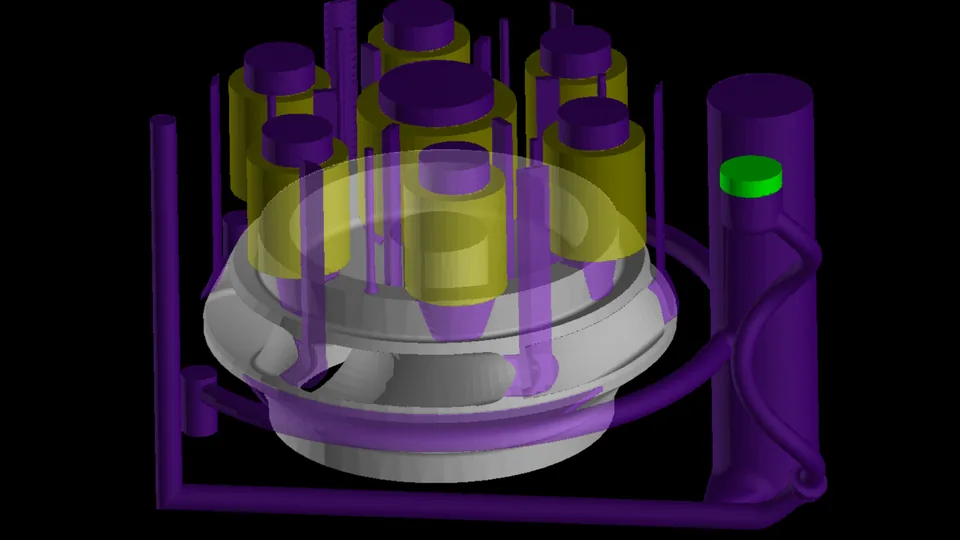
Worried About Casting Defects?
See how casting simulation helps engineers assess filling and solidification risks before production.
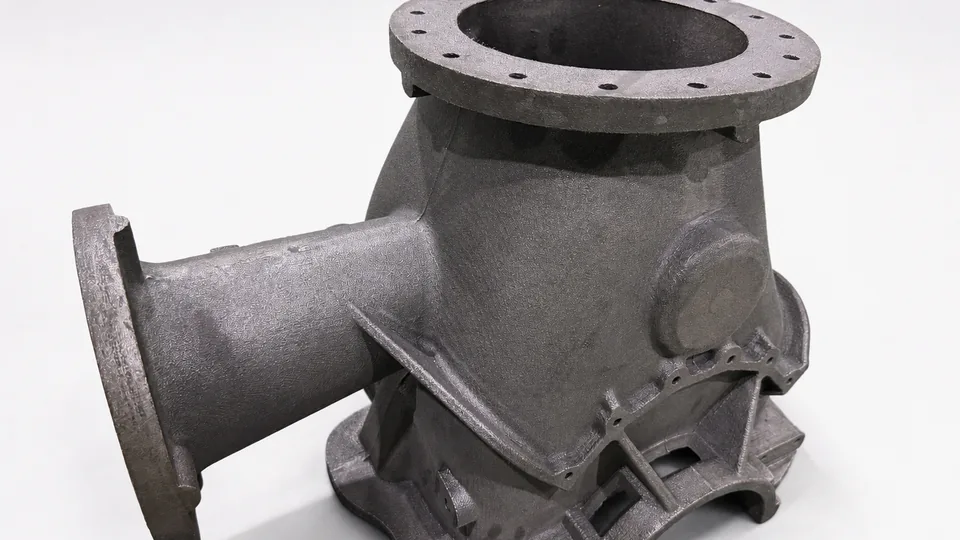
Is Your Component Too Complex for Conventional Tooling?
Explore digital mold and core production for complex geometries and challenging casting requirements.
Where 3D Sand Printing Supports the Workflow
Patternless mold production is applied where it helps solve a replacement or casting problem identified during engineering assessment, including 3D printed sand cores for complex internal passages.
Faster Digital Workflow
CAD-to-mold workflow removes conventional pattern-making steps from the production path.
Reduced Material Waste
Additive mold production targets only the geometry needed, supporting sand reclamation workflows.
Process Accuracy
Digital molds reproduce complex internal geometries directly from the source CAD file.
Reduced Tooling Dependence
Patternless production removes dedicated conventional pattern tooling from prototype and low-volume runs.
Inside the Casting Production Stages
After the engineering approach and digital data are approved, manufacturing moves through the production stages required for the project. The exact sequence depends on the component, material, mold system, inspection scope, and agreed manufacturing plan.
Prepared sand molds for production
Mold and Core Production
Produce the required molds and cores using the manufacturing method selected for the project, including 3D sand printing where appropriate.
Molten metal pouring during casting production
Casting Production
Prepare the material, assemble the mold, pour the casting, and control the production process according to the approved manufacturing plan.
Mold material testing and recorded material analysis
Inspection and Documentation
Perform the dimensional, material, visual, or other agreed checks applicable to the project scope and retain the relevant production evidence.
Available Casting Materials
Access a wide range of ferrous and non-ferrous materials for demanding industrial applications.
- Ferrous & Non-Ferrous Alloys
- Aluminum & Stainless Steel Grades
- ASTM / JIS / EN Standards
Featured Engineering Projects
Real projects. Real results. Precision-manufactured components for demanding industries.
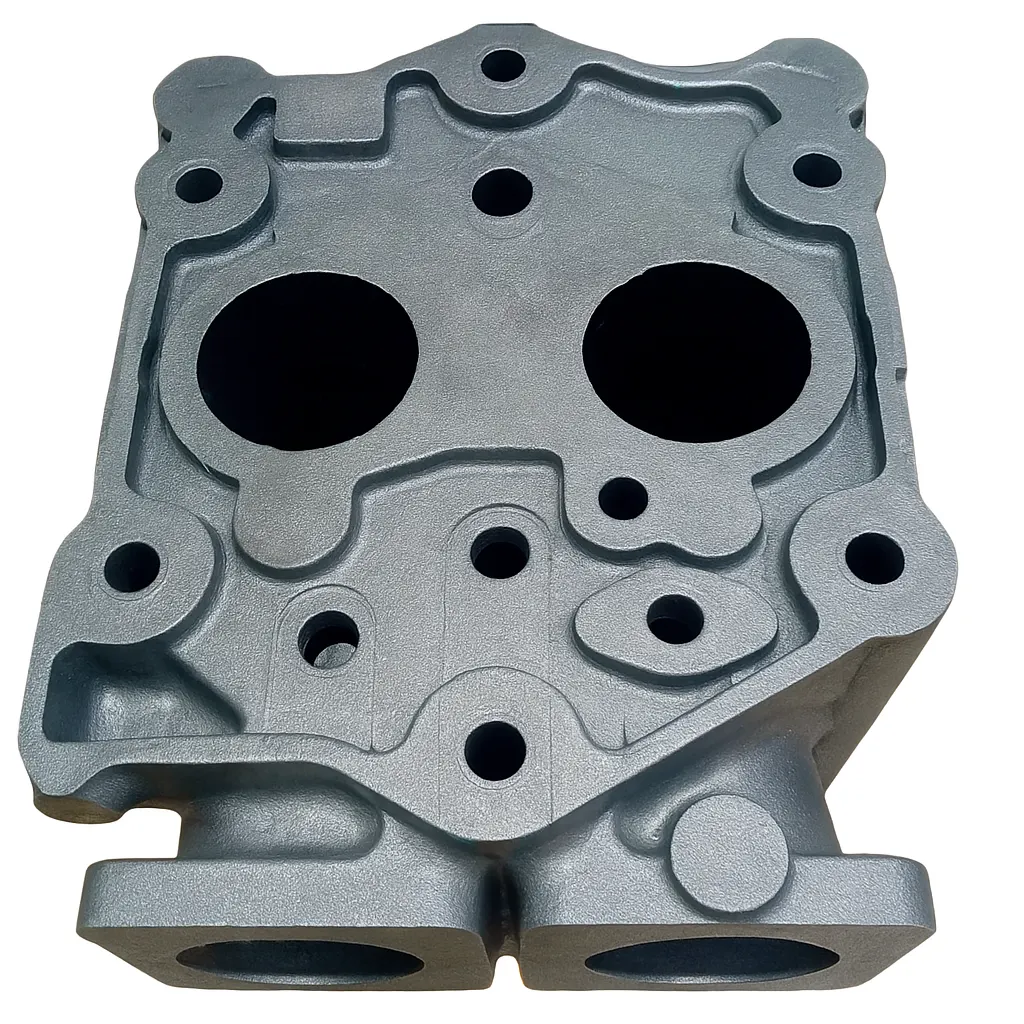
Cylinder Head
Conventional methods face high tooling costs, long lead times, difficult complex parting lines, and complex manual core assembly. Not cost-effective for small batches or complex geometries
Patternless 3D Sand Printing: Low tooling cost, short lead time, easy handling of complex shapes, cores integrated into printed mold, higher precision accuracy
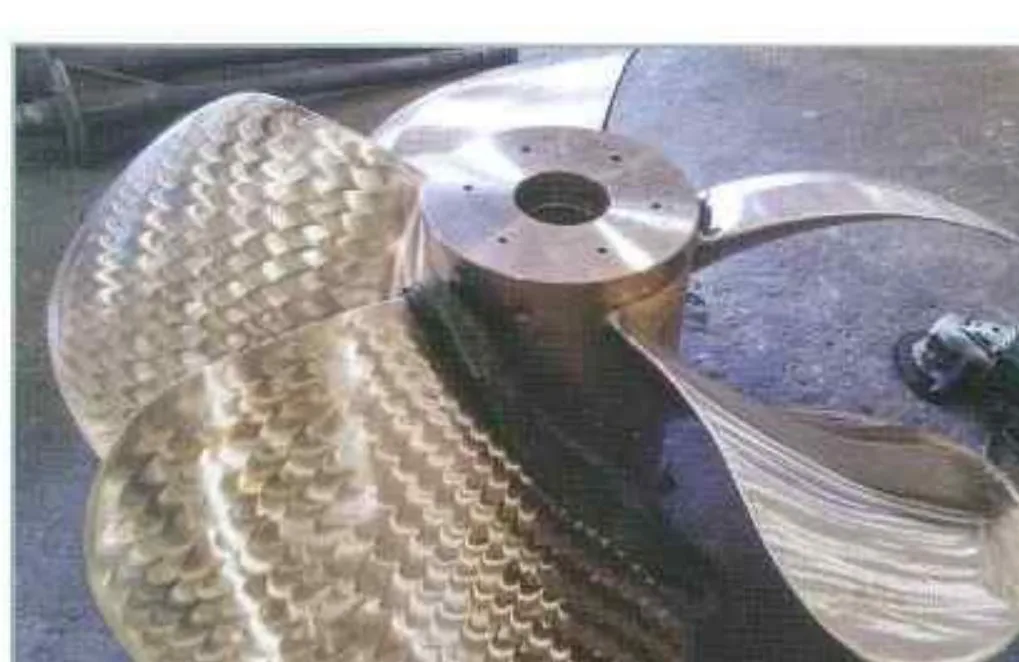
Patrol Vessel Propeller
A damaged physical propeller was the engineering reference, with no original pattern tooling available.
3D scanning, CAD reconstruction, casting simulation and a 26-section binder-jet printed sand mould system.
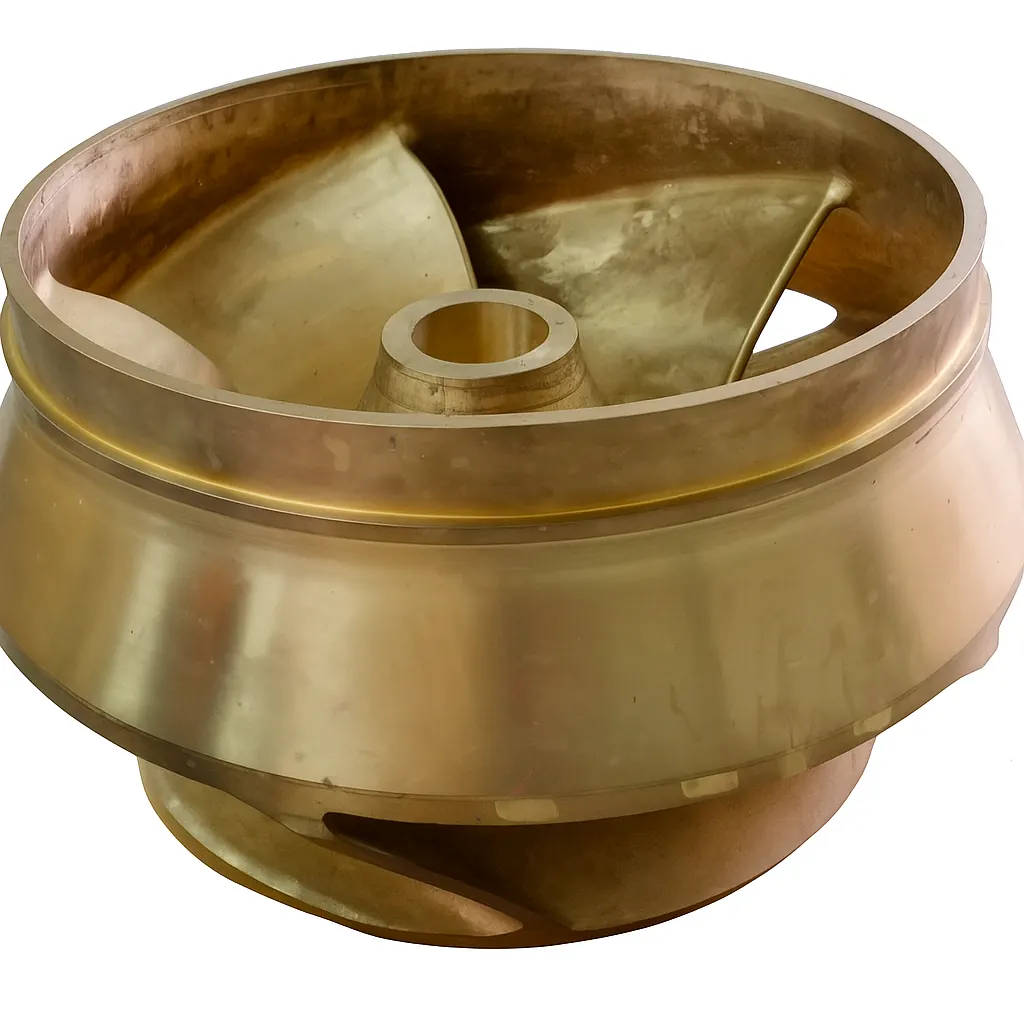
Large Replacement Impeller
A cracked and cavitation/corrosion-damaged impeller from a vertical pump more than 20 years old had to be reconstructed without its original pattern.
Existing-component assessment, dimensional capture and 3D scanning, CAD reconstruction, casting engineering, 3D-printed sand mould, C95500 aluminium bronze casting, machining, inspection and balancing.
Sustainable Manufacturing
Our 3D sand printing technology reduces environmental impact while delivering superior results. Manufacturing that is good for business and the planet.
Additive mold production targets only the geometry needed, reducing excess inventory and scrap.
Fewer conventional pattern-making steps in the production path.
Silica sand workflows support reclamation and reuse across production cycles.
Our Core Values
The OASIS principles behind every project we deliver.
On-Time Delivery
Alliance
Speed
Integrity in Quality
Sustainability
Peer-Reviewed Industrial Case Studies in 3D Sand Printing
Speed 3D Mold's industrial experience in new and replacement cast components is documented in a peer-reviewed technical publication in the International Journal of Metalcasting (Springer), with authors affiliated with Chiang Mai University and Speed 3D Mold Co., Ltd.
“Case Studies Experience in Using 3D Sand Printing to Produce Molds for New and Replacement Cast Components” · Vol. 19, Issue 3, 2025 · pp. 1271–1280 · Published online 22 August 2024 · DOI 10.1007/s40962-024-01426-1