Prototype Metal Castings for New Design Validation
Turn new CAD models and engineering drawings into functional metal castings through casting engineering, simulation, 3D-printed sand molds, and controlled prototype production.
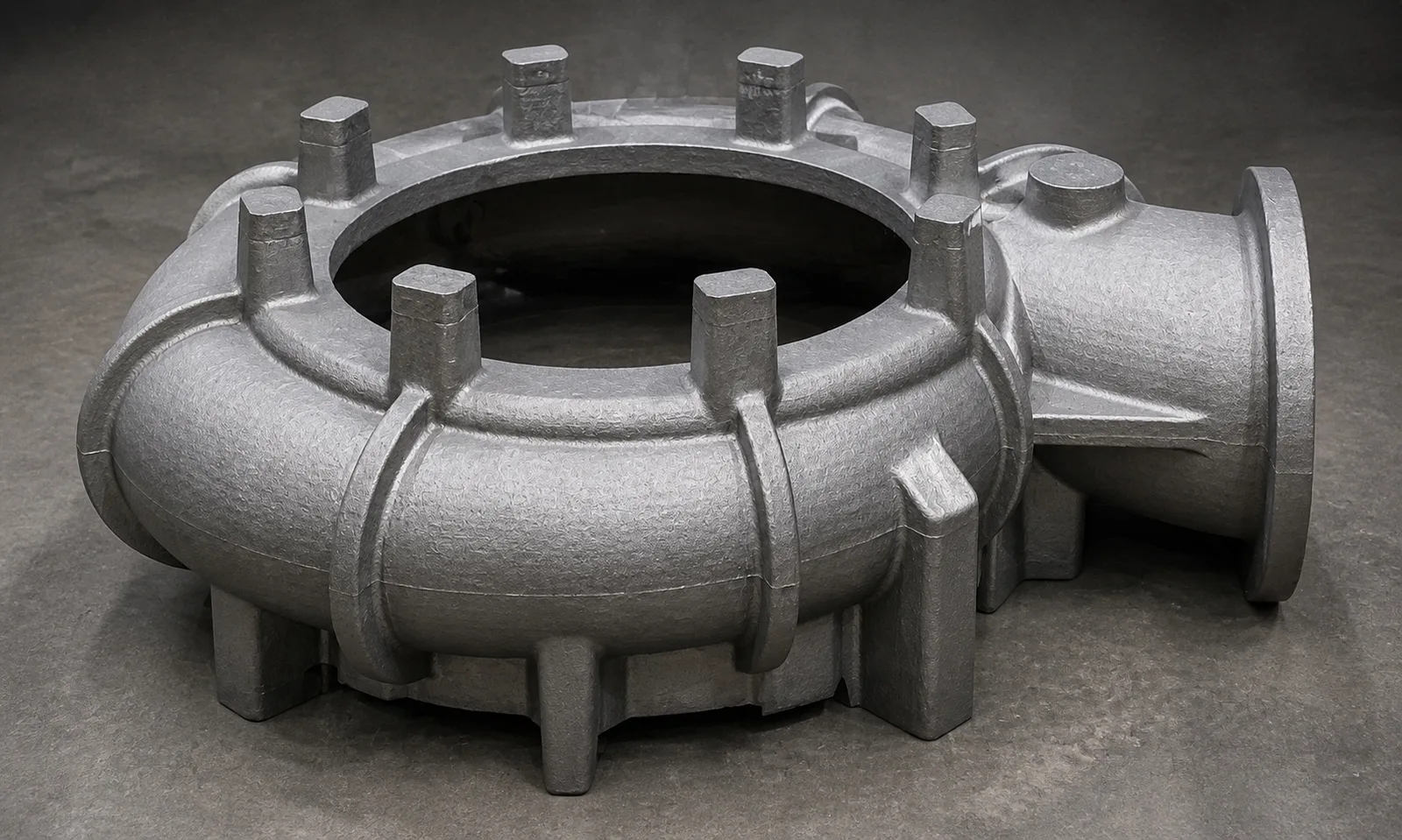
- New CAD Design
- Casting Engineering
- 3D-Printed Sand Mold
- Metal Prototype
Engineering Summary
Prototype casting develops a new component design into a physical metal casting so that casting-related decisions can be reviewed before a production commitment is made. It is appropriate when a design exists as CAD data but has not yet been produced as metal, when the geometry may still change, or when mold, core and feeding strategy require physical confirmation. Engineering review supports the work at each stage: casting-system design, simulation-informed process review, and mold and core preparation for 3D sand printing. The output is an as-cast prototype. It is not automatically a production-ready part, and machining, dimensional inspection and functional testing are separate activities specified per project.
Validate a New Metal Part Before the Next Production Decision
A CAD model defines geometry, but not how the part should be cast, fed, molded, or evaluated as a physical component. These are the engineering questions a prototype casting is used to answer.
- 01Can the geometry be produced through the intended casting process?
- 02Where should gating, risering, and machining allowances be considered?
- 03Does the mold and core strategy support the required geometry?
- 04What can be learned from an as-cast prototype before the next design decision?
Decision Guide: Which Engineering Route Applies
The appropriate route depends on the starting point of the project and how settled the design is.
| Situation | Recommended engineering route | Engineering reason |
|---|---|---|
| New product development from a 3D CAD model | Prototype casting | A physical casting shows how the new geometry behaves in mold, core and feeding terms before further commitment. |
| Functional metal prototype required for engineering review | Prototype casting | A cast metal part allows the design to be reviewed as a real component rather than as a model. |
| Geometry still changing between iterations | Prototype casting with 3D-printed sand molds | Molds are printed from data, so revisions do not require a new permanent pattern. |
| Design considered production-ready, process risk not yet reviewed | Casting simulation before committing to a mold | Filling and solidification behaviour can be reviewed before mold production. |
| Existing obsolete or unavailable component to reproduce | Replacement casting | The starting point is an existing part, not a new design, so the engineering route differs. |
| Existing part without reliable drawings or CAD data | Reverse engineering first | Usable geometry has to be reconstructed before any casting engineering can begin. |
Prototype Casting Engineering Workflow
New Design Input
The workflow begins with a new 3D CAD model, engineering drawing, intended function, material requirement, expected quantity, and available inspection requirements.
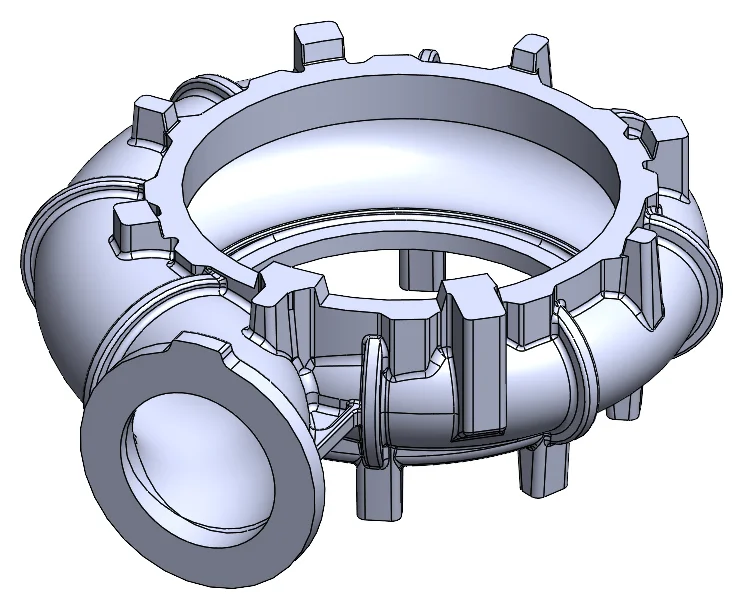
Casting Engineering for the New Geometry
The design is reviewed from a casting perspective, including mold orientation, parting strategy, core requirements, gating and risering concepts, wall conditions, and machining allowances where applicable.
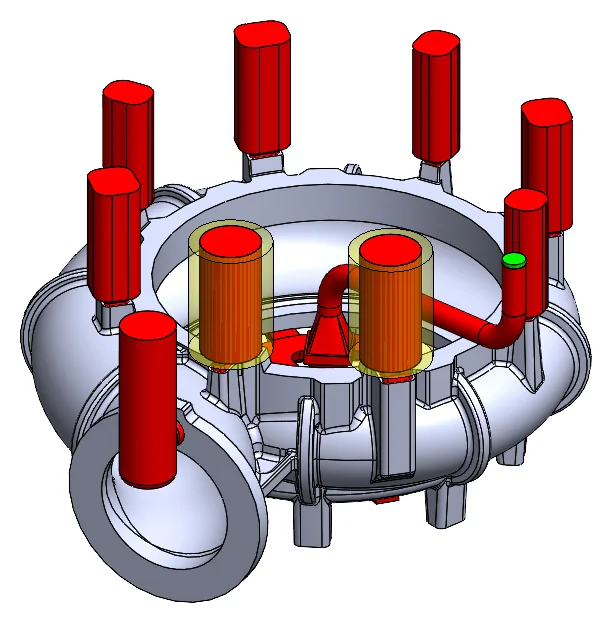
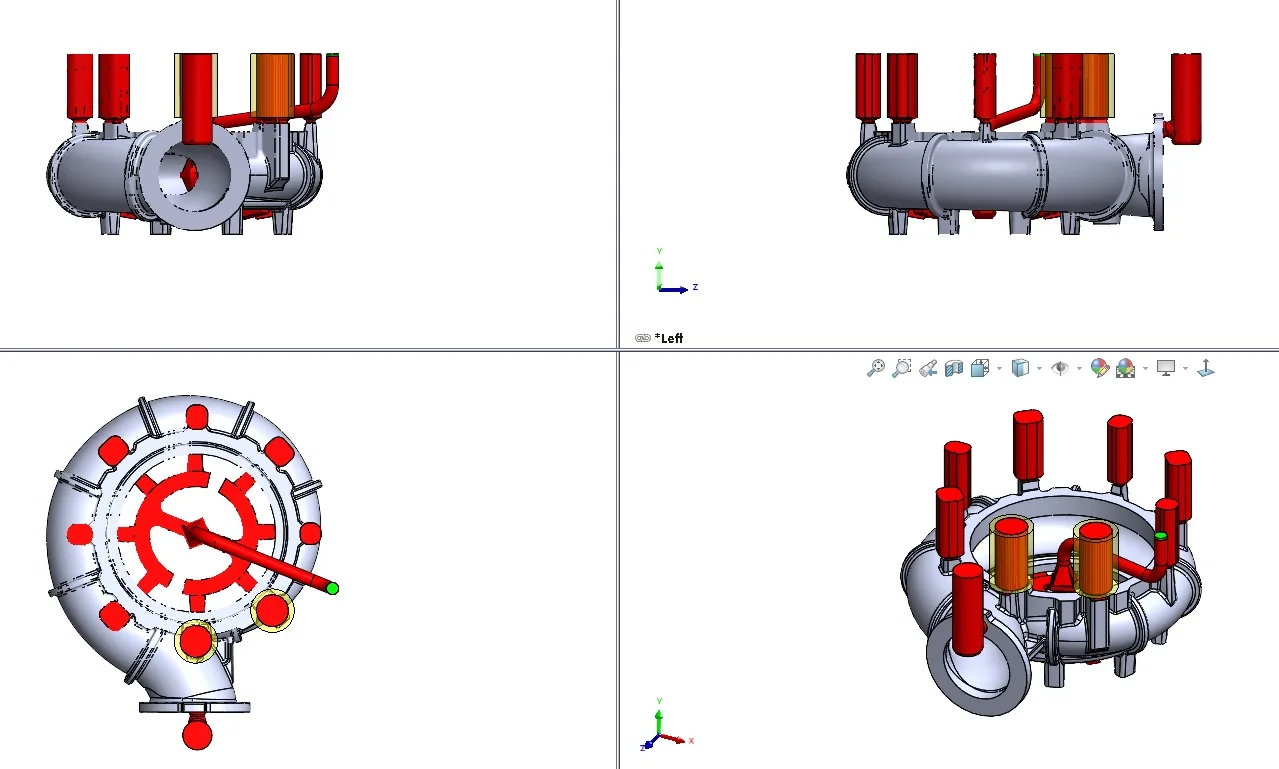
Simulation-Informed Process Review
Casting simulation can support the review of filling and solidification behavior before mold production. The simulation scope and engineering decisions depend on the geometry, alloy, process assumptions, and project requirements.
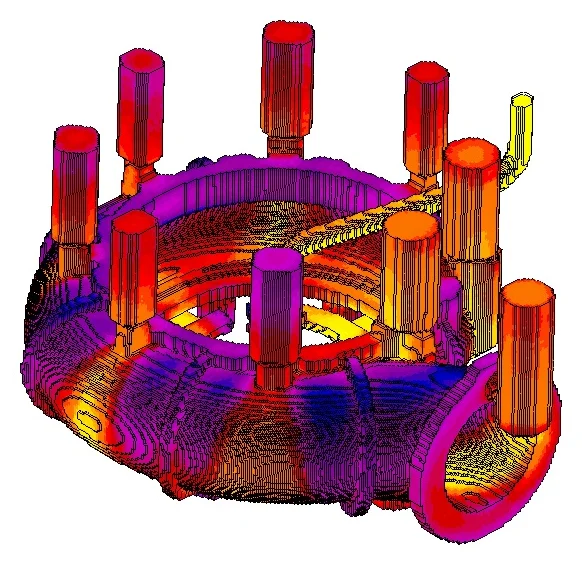
Tooling-Free Mold and Core Preparation
The approved mold and core package can be prepared for 3D sand printing without creating a permanent conventional pattern. This supports prototype projects in which the design may still require engineering review or future iteration.
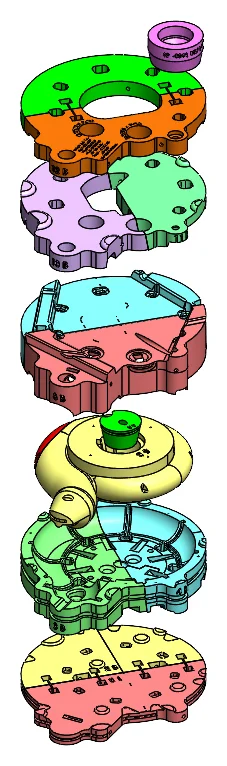
From Digital Design to an As-Cast Metal Prototype
The prototype is cast as a physical metal component so the project team can review the actual casting outcome and determine the appropriate next engineering step.
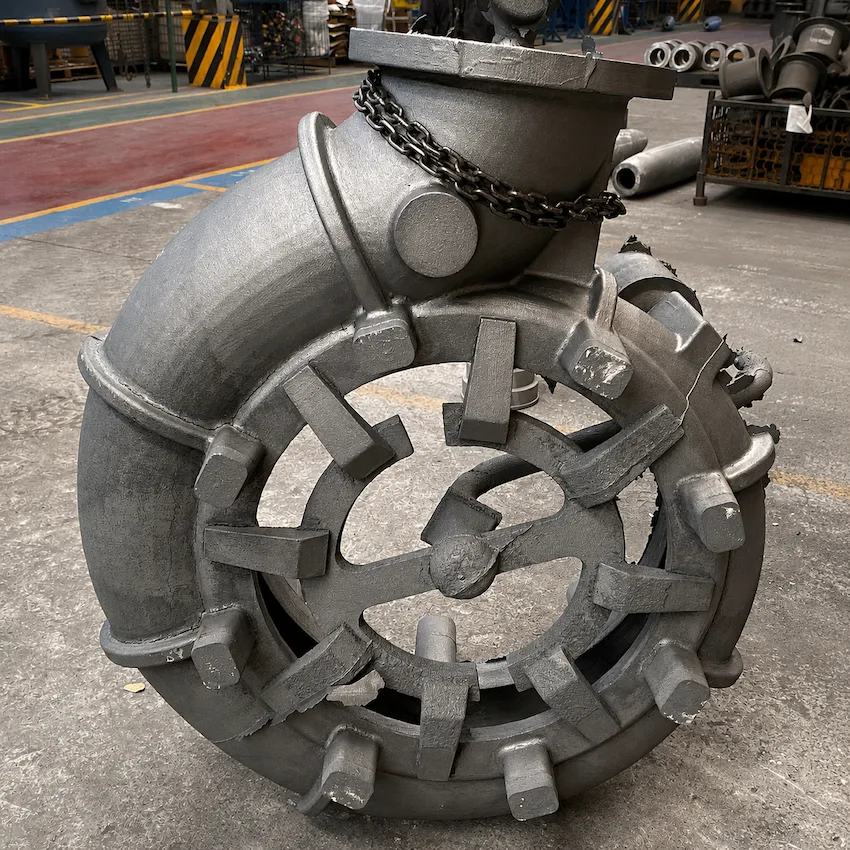
Related Research
Published technical work on this website that relates to the engineering decisions in the workflow above.
- Part Replacement with 3D Sand PrintingDocuments the same digital mold route used here, applied to cast components.
- Spherical-Shaped Feeders in 3D Sand-Printed MouldsRelevant to the feeding and risering decisions made in step 02 of this workflow.
- Helical Sprues in 3D Sand-Printed MouldsRelates to gating design and filling behaviour reviewed before pouring a prototype.
- Patternless Casting of a Marine Propeller (T991)Example of complex geometry produced without a conventional pattern.
Prototype Casting Project in Practice
This project began with a new component design and progressed through casting-system development, simulation review, mold engineering, and production of an as-cast metal prototype.
- Project type
- New-design prototype casting
- Design input
- 3D casting model
- Engineering scope
- Gating, risering, mold and core development
- Process review
- Casting simulation
- Mold approach
- 3D-printed sand mold and core package
- Demonstrated result
- As-cast metal prototype
What an As-Cast Prototype Can Help the Team Review
Geometry and Casting Outcome
- Physical realization of the new geometry
- Visible as-cast condition
- Mold and core execution
- Areas requiring further engineering review
Process Learning
- Gating and risering implementation
- Simulation assumptions compared with the casting outcome
- Mold preparation and handling considerations
- Potential design or process refinements
Next-Stage Planning
- Whether additional finishing or machining trials are required
- Whether dimensional or material inspection should be specified
- Whether the design should be refined before another casting
- What information is needed for the next production decision
The images on this page demonstrate the workflow through the as-cast prototype stage. Machining, dimensional inspection, assembly testing, and functional performance are not claimed unless separately specified and verified for the project.
When Prototype Casting May Be Appropriate
- —New pump and impeller designs
- —New industrial component development
- —Complex internal mold and core geometries
- —Functional metal prototype requirements
- —Low-volume engineering trials
- —Research and development components
- —Design iterations before production planning
- —Components requiring casting-process evaluation
Prototype Casting Materials
Material selection is reviewed against the intended function, casting requirements, inspection plan, required quantity, and availability for each project.
- Gray and Ductile IronASTM A48 / ASTM A536 / FCD grades
- Carbon and Low-Alloy SteelCast steel grades
- Stainless SteelCF8 / CF8M / CA6NM families
- Aluminum Casting AlloysA356 / AC4C family
- Bronze and Aluminum BronzeC90500 / C95400 / C95800 families
Material Availability Is Reviewed Per Project
From Prototype Learning to the Next Engineering Step
An as-cast prototype is not automatically a production-ready part. What is learned from the prototype can inform further decisions concerning CAD geometry, gating and risering, mold strategy, machining allowance, material specification, inspection planning, and the need for another design iteration.
- 01
As-Cast Prototype
The physical casting outcome of the new design.
- 02
Engineering Review and Refinement
Review of geometry, casting system and process assumptions.
- 03
Next Project Decision
Direction for further iteration or production planning.
Key Takeaways
- Prototype casting develops a new CAD design into an as-cast metal component so casting-related decisions can be reviewed physically.
- The workflow runs from design input through casting engineering, simulation review, mold and core preparation, to the as-cast prototype.
- 3D-printed sand molds avoid a permanent pattern, which suits designs that may still be revised.
- An as-cast prototype is not automatically a production-ready part; machining, inspection and functional testing are separate, specified activities.
- Where the starting point is an existing component rather than a new design, replacement casting or reverse engineering is the appropriate route.
Prototype Casting
You have a new CAD model or engineering design that needs to be developed as a physical metal casting.
Replacement Casting
You need to reproduce a worn, obsolete, damaged, or unavailable component, particularly when the original drawing is missing.
Explore Replacement CastingRelated Engineering Technologies
Casting Simulation
Used in step 03 of this workflow to review filling and solidification behaviour of the prototype rigging before a mold is printed.
3D Sand Printing
Produces the prototype mold and core package directly from approved data, so no permanent pattern is required for a design that may still change.
Production Casting
The melting, pouring and casting activities that follow once prototype learning supports a production decision.
Replacement Casting
The alternative route when the component already exists and must be reproduced rather than developed from a new design.
Have a New Design That Needs to Become a Metal Prototype?
Share your CAD model, drawing, intended function, material requirement, quantity, and inspection needs. Our engineering team will review an appropriate prototype casting approach for the project.
CAD or drawing · Intended function · Material requirement · Quantity · Inspection requirements
Technology Representation

ExOne Sales Representative in Thailand
Speed 3D Mold Co., Ltd. is listed by ExOne as a sales representative in Thailand, supporting local coordination for industrial sand 3D-printing solutions.
Verify our listing on ExOne’s official global support network.
View Official ExOne ListingMEMBERS & SOCIETIES