ISO 9001:2015 certification mark

ISO 9001:2015 Certified by SGS

Replacement Casting

Obsolete Parts? We Can Reproduce Them.

Replacement casting solutions for discontinued, damaged, and hard-to-source industrial components.

Speed3DMold helps manufacturers and maintenance teams reproduce critical metal components when original spare parts are no longer available.

  • Replacement Parts Manufacturing
  • Low-Volume Production
  • Fast Turnaround
  • Engineering Support
View Related Case Studies
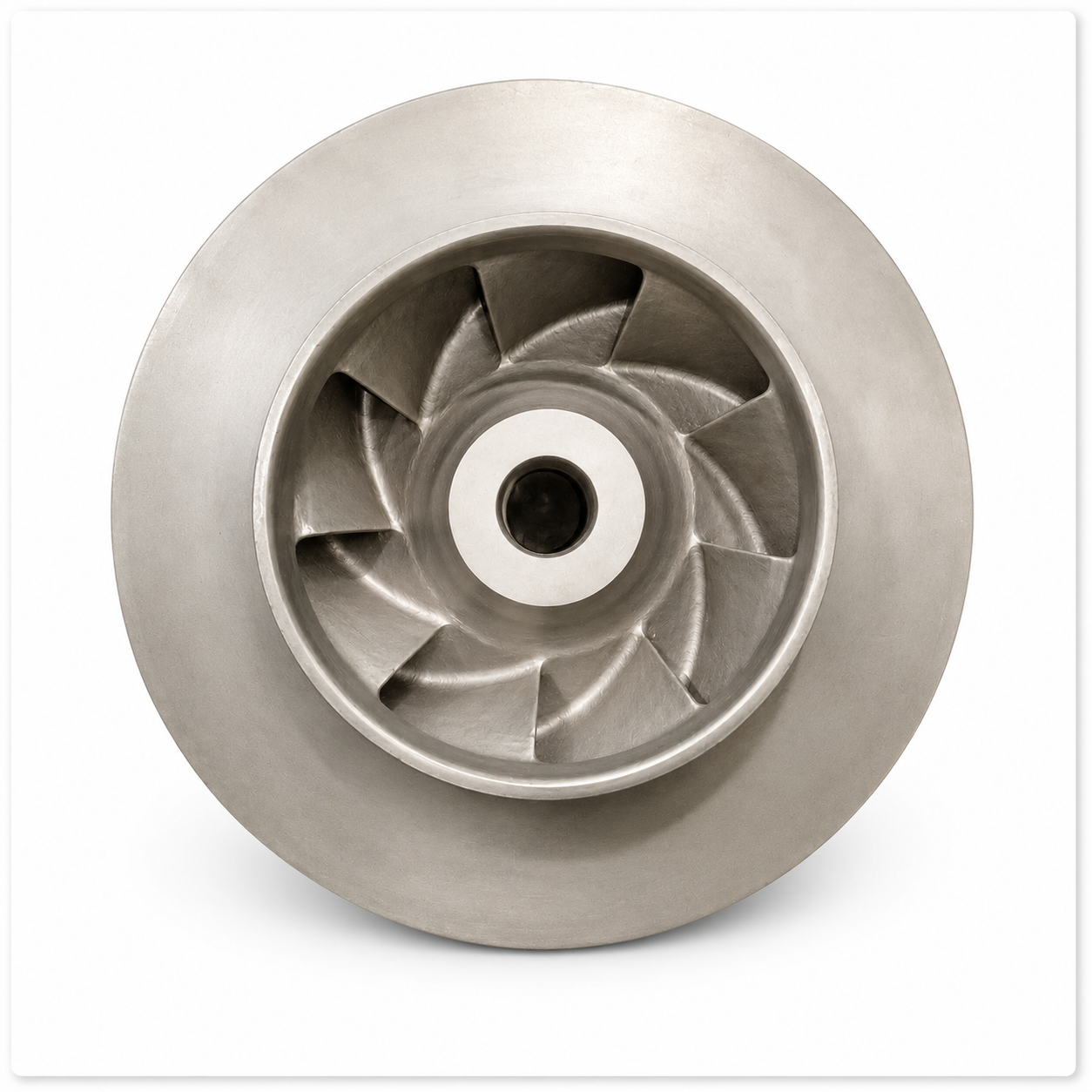
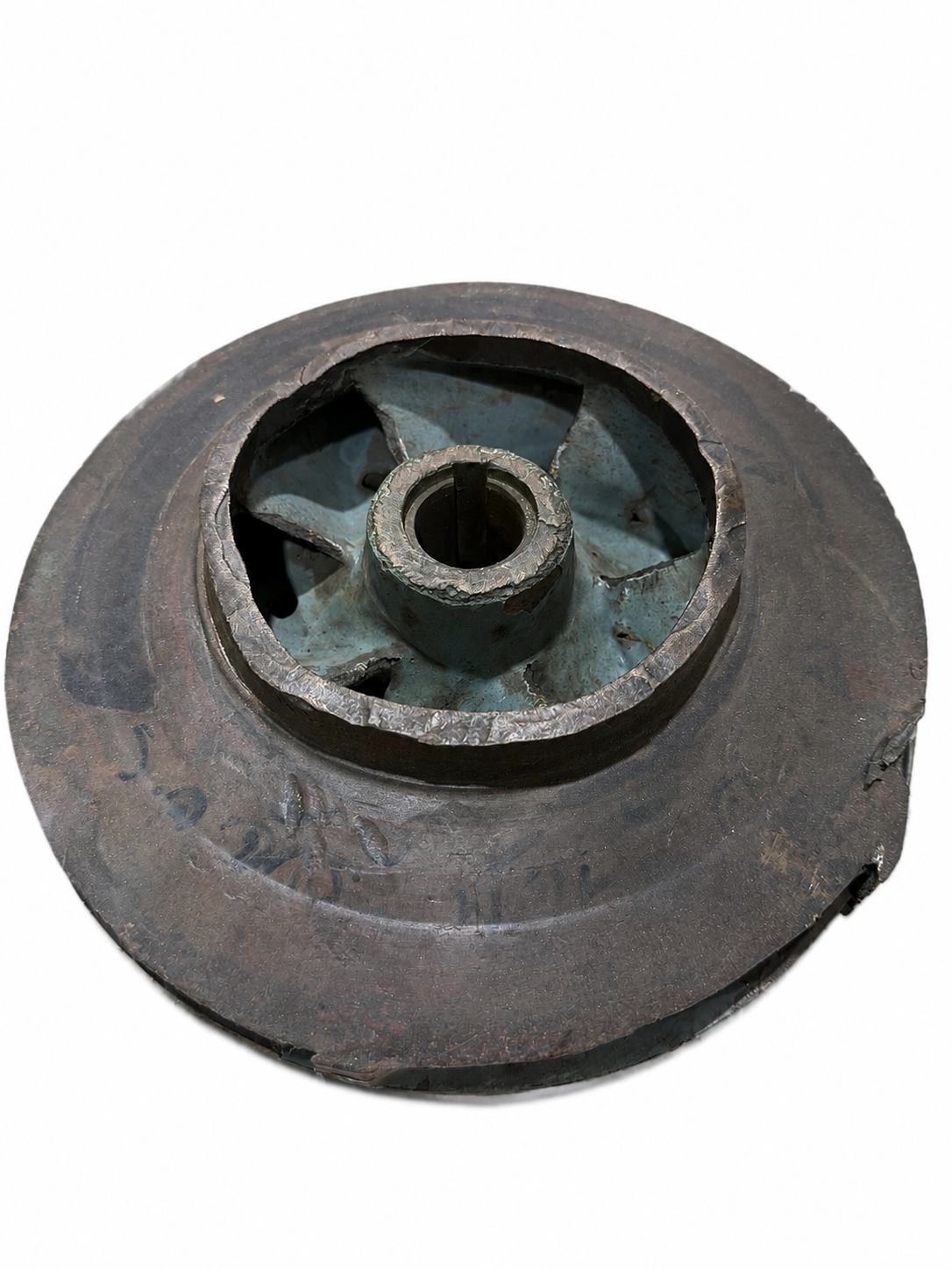
Restored impeller after repair
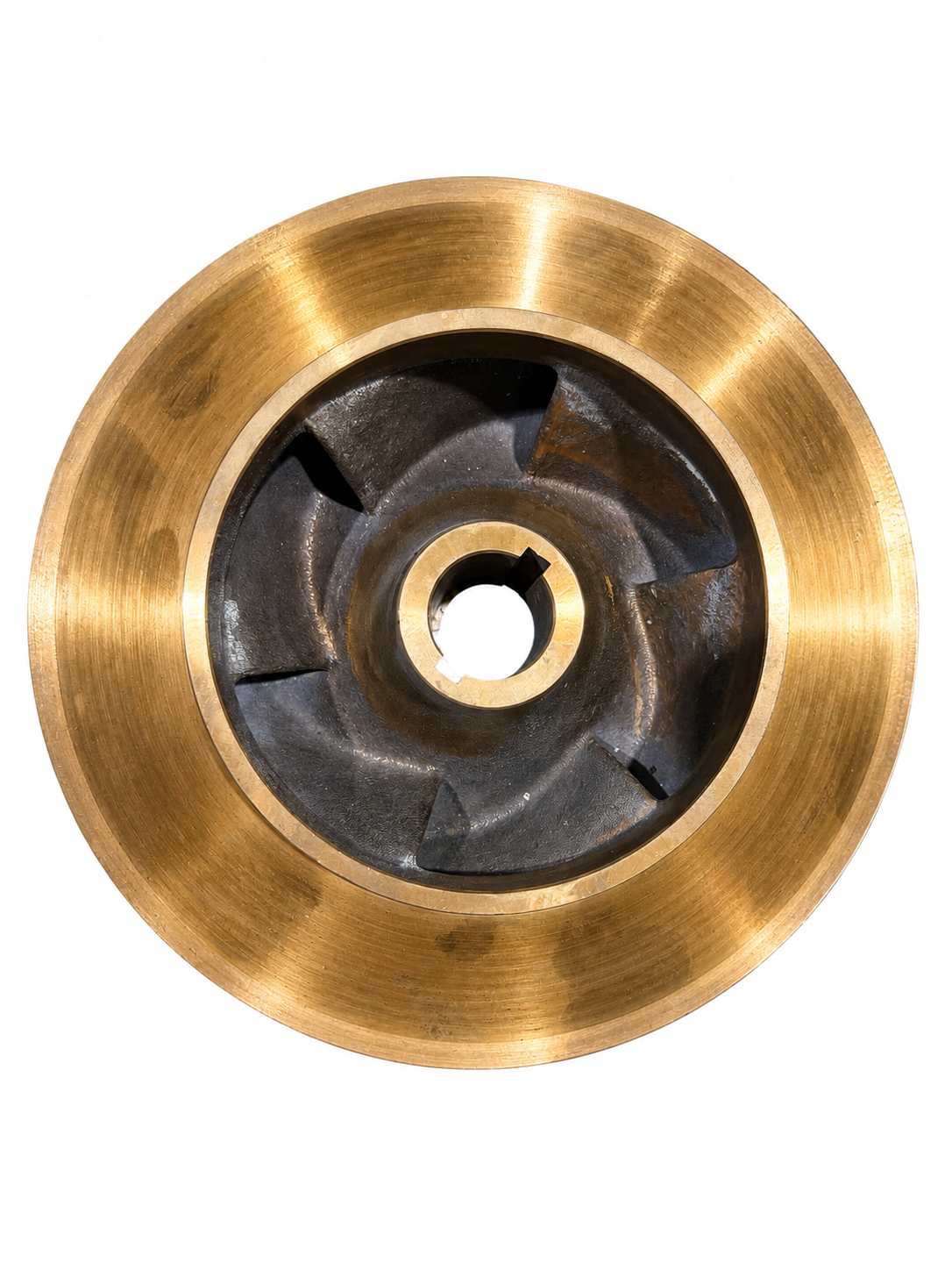
Worn impeller before repair
BeforeAfter

Replacement Casting: Quick Answer

Replacement casting reproduces an existing metal component when the original spare is no longer available — typically obsolete or discontinued parts, worn or damaged components, and single-part or low-volume requirements where conventional tooling is not practical. The engineering approach is determined by the reference data available: with drawings, the model proceeds to CAD verification; without them, the physical part is digitised through reverse engineering. Moulds are then printed directly from CAD by 3D sand printing instead of patternmaking, followed by casting, machining and inspection. Engineering review matters because worn geometry must be interpreted against the intended function, material may be specified as an equivalent grade, and a standard, commercially available part is usually better purchased.

When Replacement Casting Is the Right Solution

Replacement casting is normally considered when an existing metal component must be reproduced and conventional supply or tooling routes are no longer practical. The typical situations below are drawn from the projects we support.

  • The component is obsolete or discontinued and no longer supplied by the original manufacturer.
  • The part is worn or damaged and equipment cannot wait for a long procurement cycle.
  • No reliable drawings or CAD data exist for the component.
  • Conventional pattern making would delay an urgent or low-volume requirement.
  • Only one part, or a small quantity, is required.

Engineering consideration

Where drawings are missing, the existing part itself becomes the reference. Geometry is captured and reconstructed through reverse engineering, and the resulting model is checked before mould production through CAD verification.

If the component is still commercially available and standard, replacement casting is usually not the most economical route.

Decision guide

Use the table to identify the route that normally fits your situation. Every project is confirmed by engineering review before a route is committed.

Decision guide for replacement casting compared with alternative supply routes
Your situationRoute to evaluateEngineering reason
Part is obsolete or the OEM no longer supplies itReplacement casting from the existing partThe physical component becomes the geometric reference when no supply route or documentation remains.
No drawings or CAD data existReverse engineering, then replacement castingGeometry is captured and reconstructed into a manufacturable model before mould production.
Only one part or a small quantity is requiredPatternless casting with printed sand mouldsNo permanent tooling is required, so pattern cost is not amortised across a large order.
Equipment is down and the procurement cycle is too longReplacement casting with an agreed priority scheduleMoulds are printed directly from CAD, removing the patternmaking stage from the schedule.
Repeat production of the same part is plannedConventional pattern making may be evaluatedA reusable pattern can be justified when the same geometry is produced repeatedly over time.
The part is a standard, commercially available itemPurchase the standard componentReplacement casting is usually not the most economical route when an off-the-shelf spare exists.

Decision flow

A shorter view of the same logic, based on the reference data available.

  1. 1

    Is the original drawing or CAD data available?

    Yes

    Conventional engineering route — proceed to CAD verification and mould production.

    No

    Continue below.

  2. 2

    Is the existing or damaged component available?

    Yes

    Reverse engineering — capture the geometry from the part, then replacement casting.

    No

    Engineering review required to agree a reference for the geometry.

What Information Should You Prepare?

A project review can begin with partial information. The more of the following you can provide, the faster the evaluation.

Photographs of the part

Overall views plus close-ups of worn, damaged or mating surfaces.

The existing or damaged sample

A physical sample allows geometry to be captured directly when drawings are unavailable.

CAD data or drawings

Any existing CAD files, drawings or sketches, even if incomplete.

Quantity required

Single part, low volume, or a repeatable production requirement.

Application and operating context

Equipment type, service conditions and the industry the part operates in.

Material information if available

Known grade, standard, or the material of the original component.

If no drawings exist, send photographs or the part itself — the model can be reconstructed through reverse engineering before manufacturing begins.

Engineering Portfolio

Precision Castings & Machined Components

Representative replacement and low-volume castings produced through this workflow.

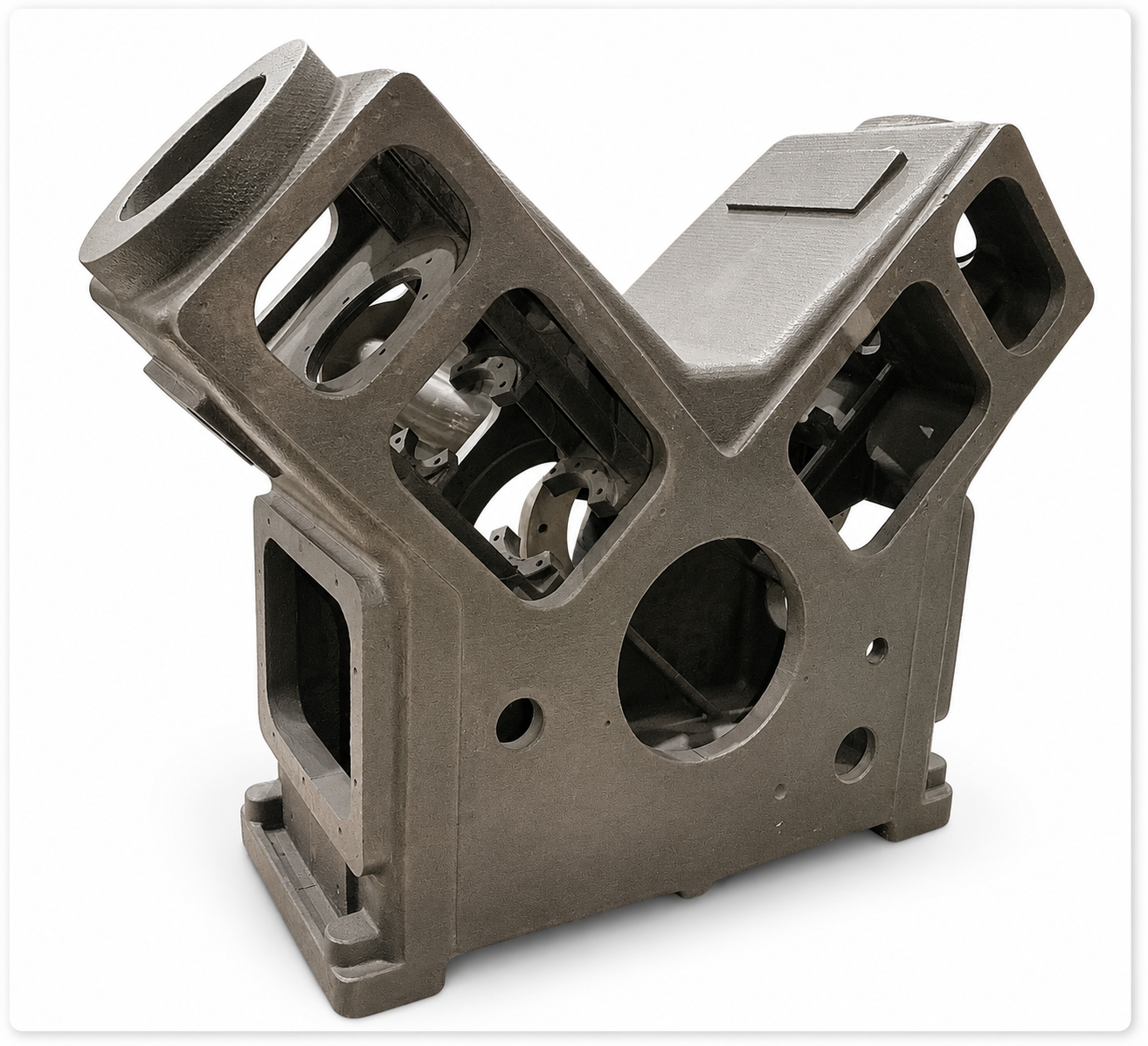
Featured ProjectCase 01 / Equipment HousingReverse engineered industrial equipment housing casting
Project Overview

Reverse Engineered Equipment Housing

Large industrial housing manufactured through reverse engineering and precision casting processes. Engineered to meet functional and dimensional requirements for heavy-duty industrial applications.

Process
Reverse Engineering + Sand Casting
Material
Ductile Iron / Alloy Steel
Industry
Heavy Industrial Equipment
High PrecisionDurable MaterialEngineered To Fit
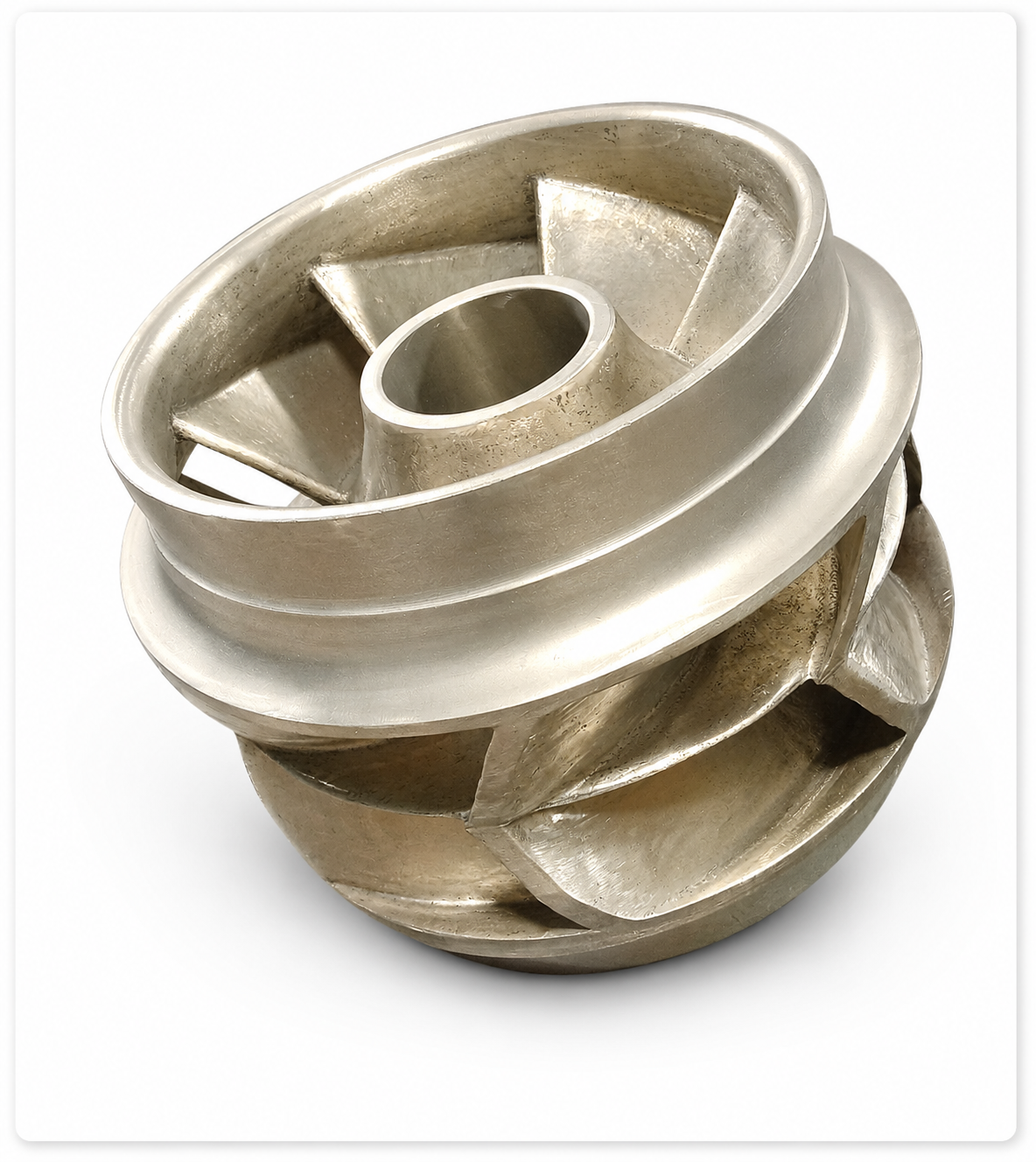
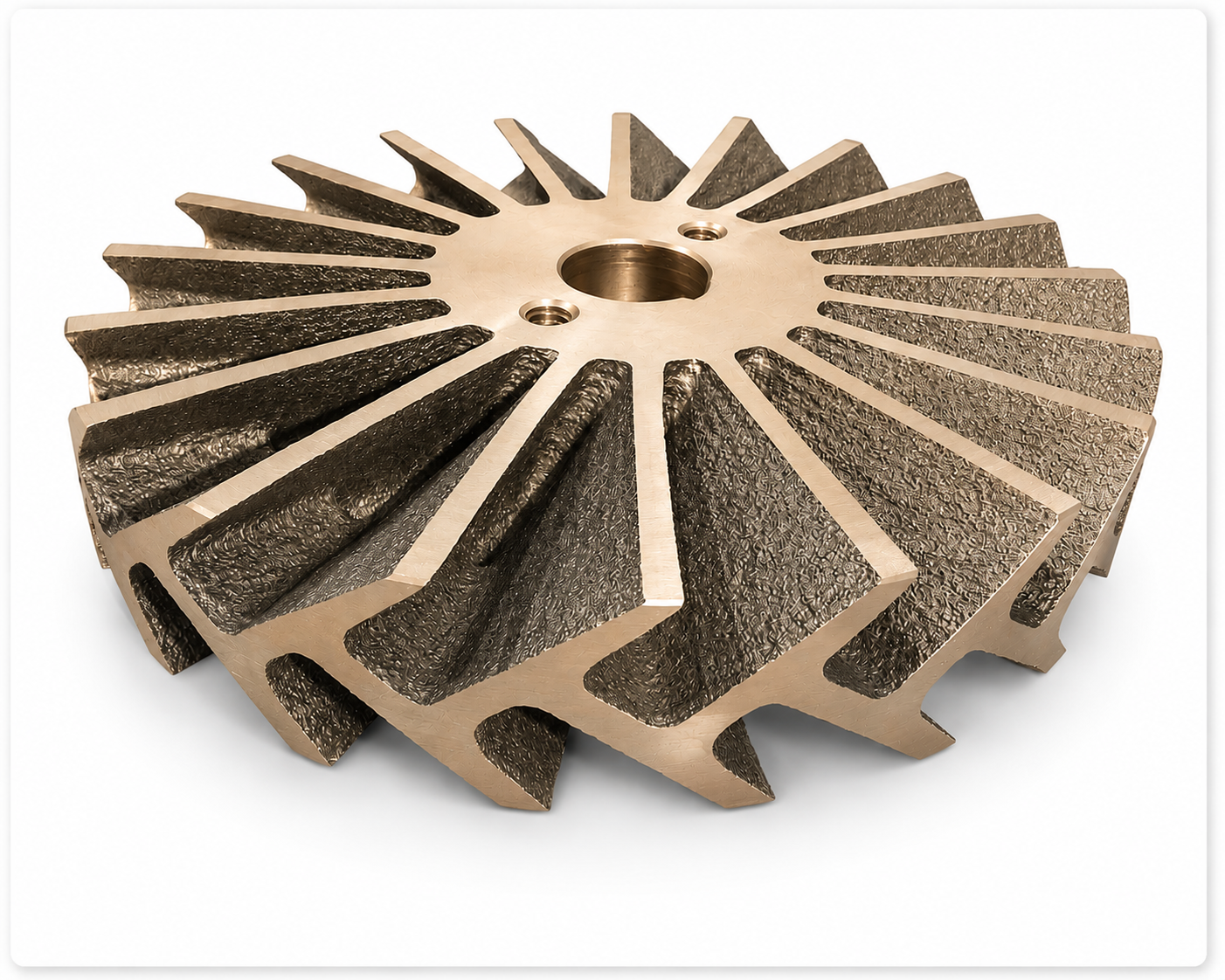
Precision cast pump impeller component

Pump Impeller

Custom-manufactured impeller designed for reliable performance in industrial pumping systems.

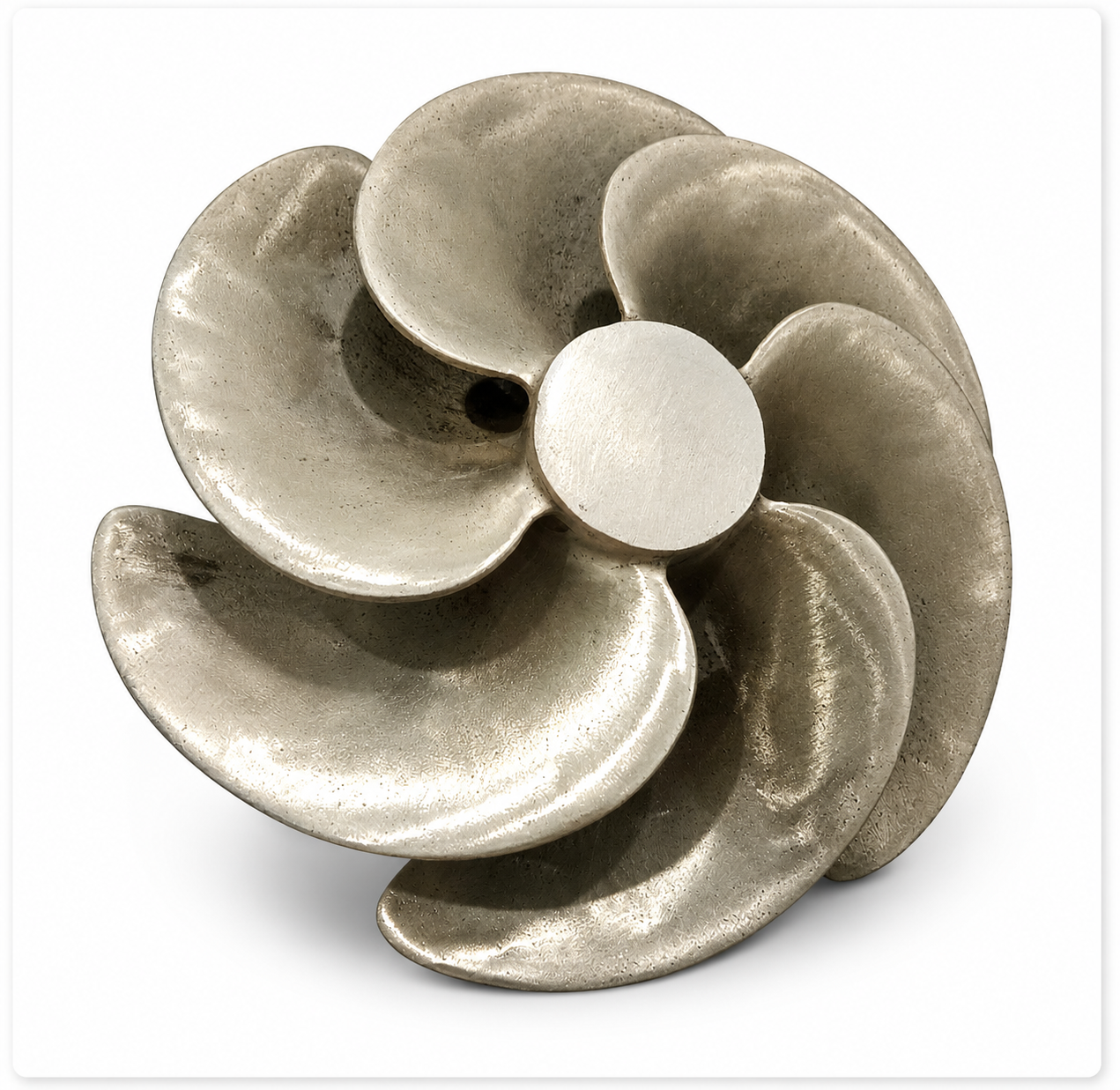
Marine propeller component casting

Marine Propeller Component

High-strength cast propeller produced for marine and fluid transfer applications.

Precision cast rotor component

Precision Cast Rotor

Complex cast and machined rotor components engineered for demanding industrial applications.

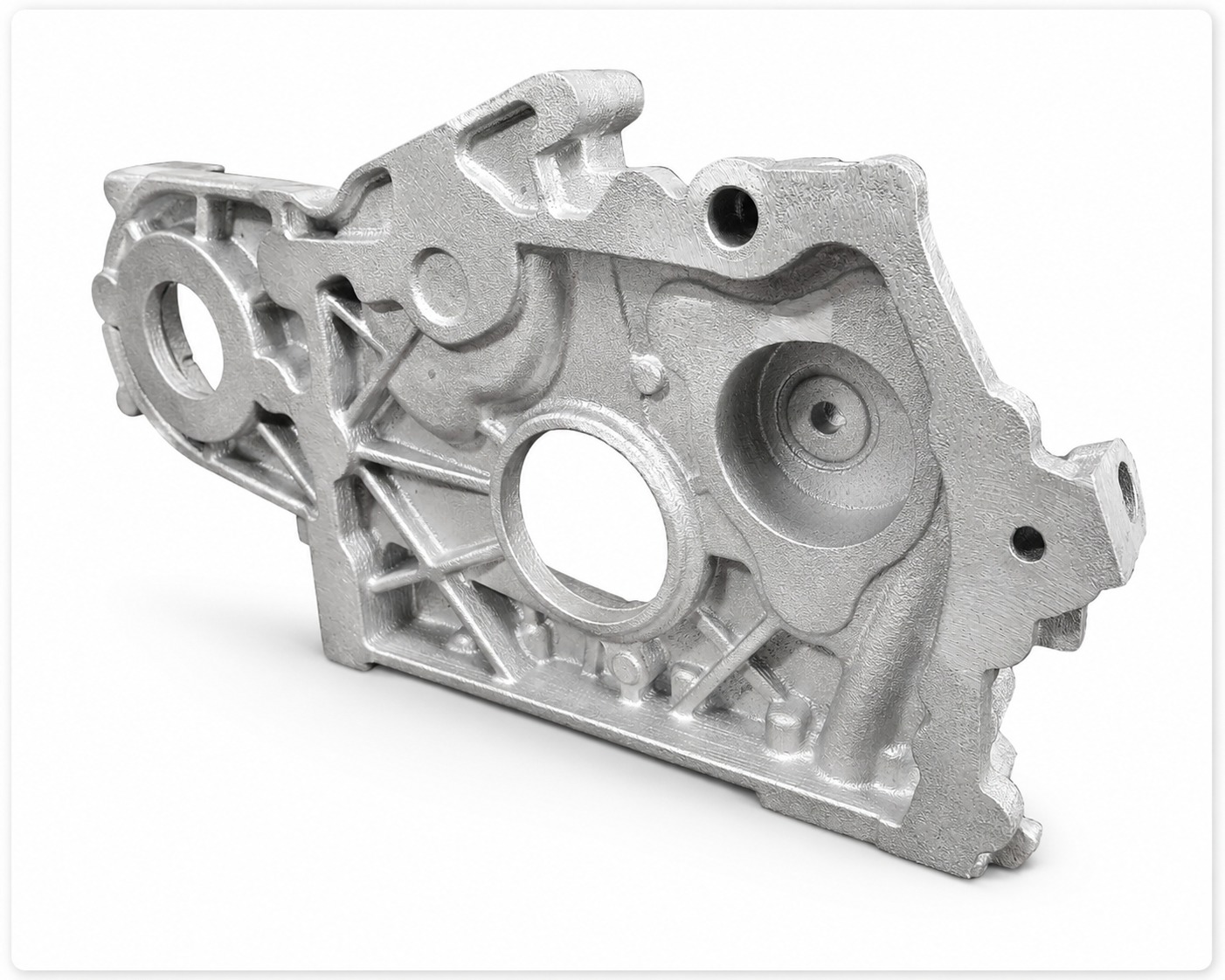
Gearbox housing casting with structural ribs

Gearbox Housing

Complex casting with detailed structural features and precision-machined mounting surfaces.

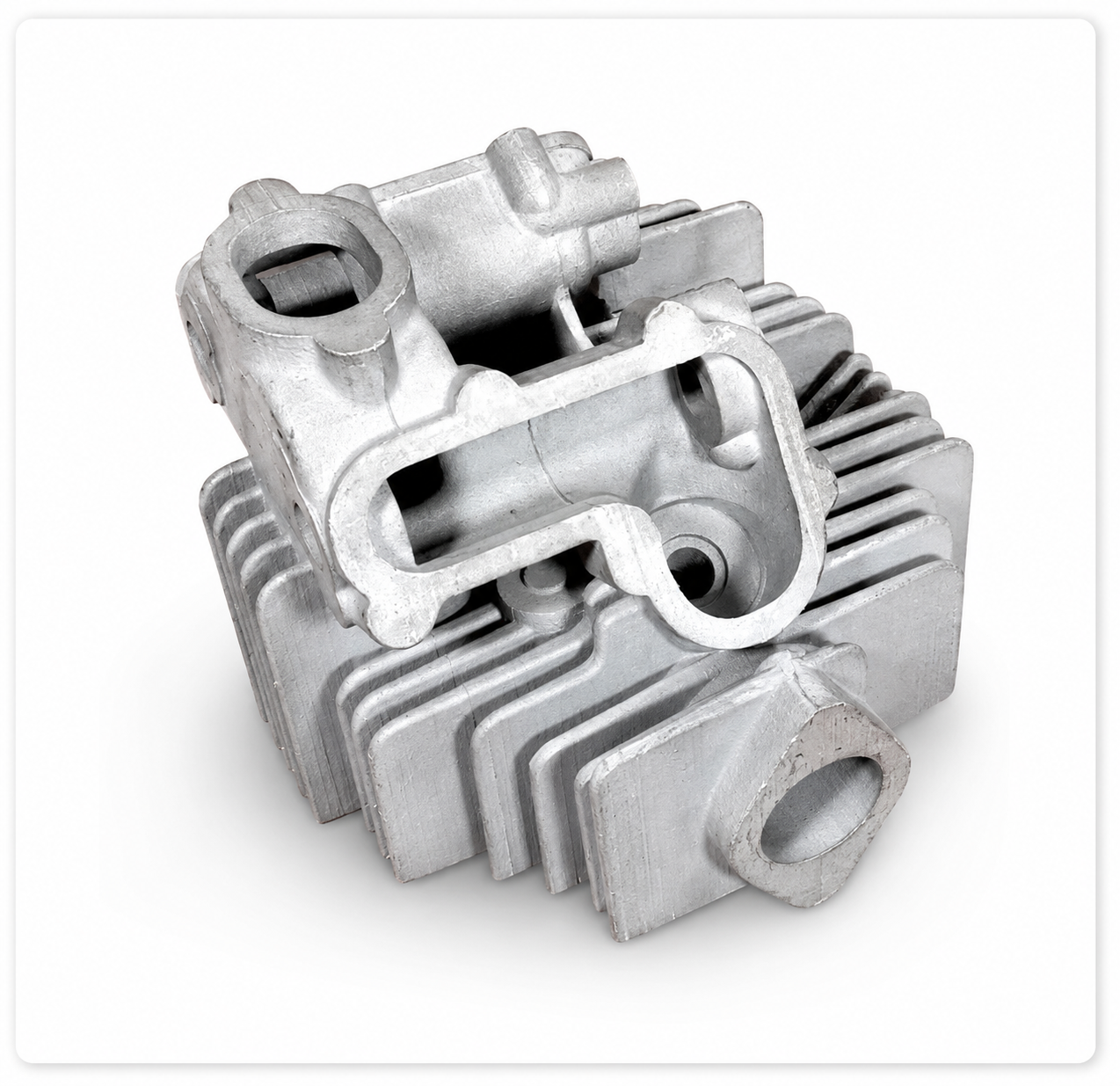
Cylinder head component casting

Cylinder Head Component

Replacement casting manufactured from existing samples and engineering specifications.

Industrial impeller component

Industrial Impeller

High-quality cast impellers designed for performance, durability, and efficiency in demanding industrial environments.

CASE STUDY

Featured Replacement Project

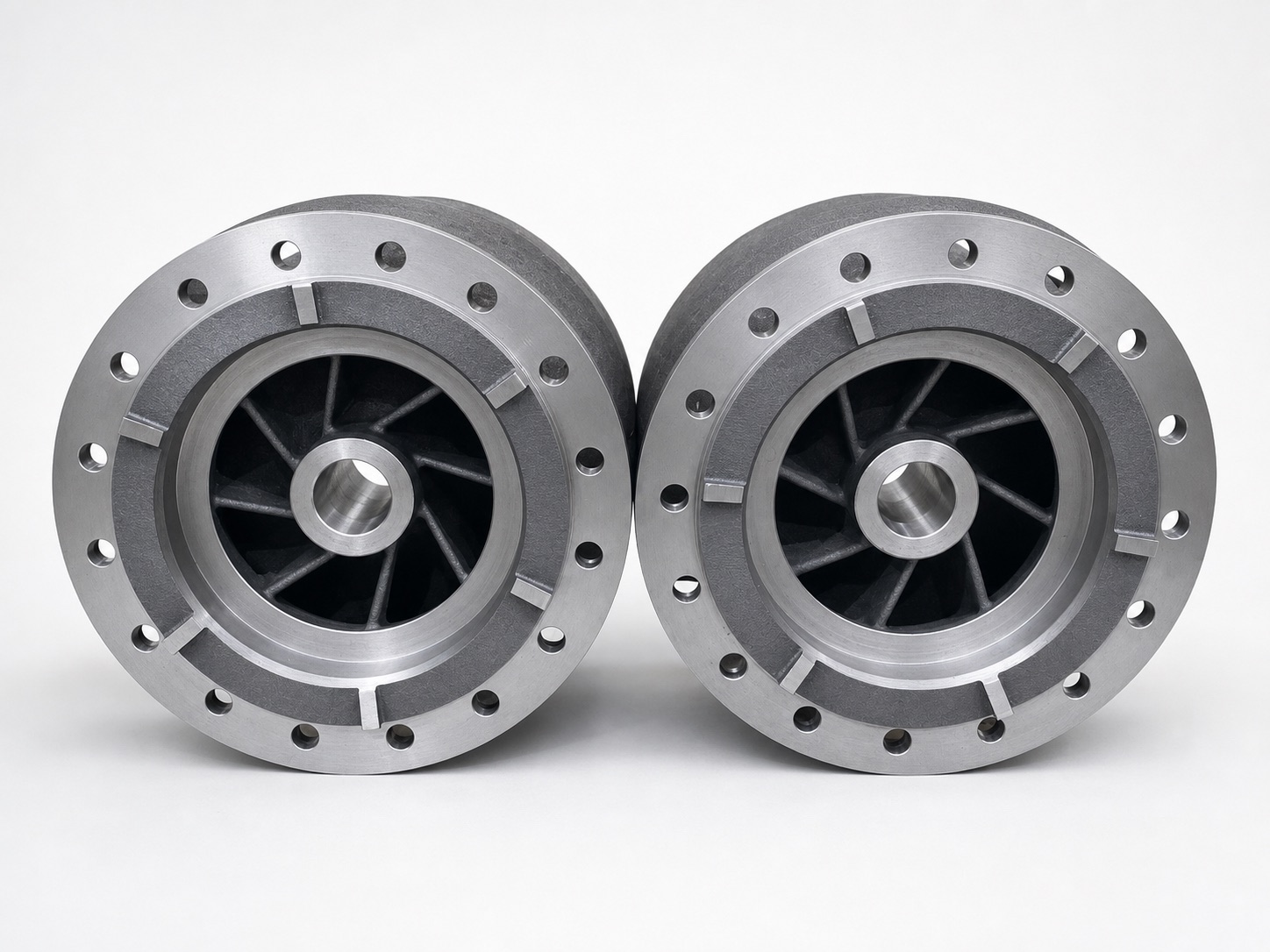
Finished machined steel pump bowls from an emergency replacement project
EMERGENCY REPLACEMENT 3-Week Lead Time

Steel Pump Bowl Delivered in 3 Weeks

A critical replacement component delivered through an integrated CAD-to-machining workflow.

View Case Study
Also See

See how a digital manufacturing route supported an urgent replacement project when conventional patternmaking could not meet the required timeline. The same route is documented in our published technical article on 3D sand printing for part replacement.

View Case Study
Obsolete Parts

When the OEM no longer supplies the component and no pattern exists, the geometry can be recovered by 3D scanning and cast from a printed sand mold. An ExOne case study documents a marine diesel cylinder head replaced this way, with delivery reported in two weeks.

View Case Study

Why Manufacturers Choose Speed3DMold

Equipment Stays Supportable

Components are reproduced from an existing part rather than an original drawing set. Obsolete parts with no CAD data are digitised and rebuilt into manufacturable geometry through reverse engineering, so legacy machinery stays supportable.

Patternmaking Removed From the Schedule

Sand moulds are printed directly from CAD, removing the patternmaking stage — the route documented in our replacement case studies.

Single Parts and Low Volume

Because no permanent tooling is required, single parts and small batches can be produced without amortising pattern cost across a large order.

Engineering and Manufacturing in One Workflow

Material and process are selected per project from our material range and carried through to production casting, machining and finishing. Manufacturability is reviewed before production using casting simulation rather than correcting issues on the shop floor.

From Quote to Delivery in 4 Simple Steps

Our engineering team reviews every project to ensure manufacturability, quality, and on-time delivery.

  1. 01

    Submit Your CAD Files

    Upload your CAD files, drawings, or part photos for a fast project review. If no drawing exists, we start from the physical part through 3D scanning and reverse engineering.

  2. 02

    Engineering Review

    Our engineers evaluate manufacturability, materials, and tolerances, supported by CAD verification and casting simulation.

  3. 03Core

    Manufacturing

    Molds are produced by 3D sand printing, then cast and machined in our production foundry.

  4. 04

    Inspection & Delivery

    Full quality inspection, documentation, and on-time shipment to your facility.

Engineering Review
Quality Assurance
Precision Manufacturing
On-Time Delivery

Industries We Support

Pump Industry

Impellers, pump bowls and casings are reproduced from a worn part or verified CAD data when the original spare is no longer available. See the steel pump bowl and cast iron pump casing projects in our case studies.

Marine & Shipbuilding

Propellers and seawater-service components are commonly reproduced from a damaged part when no drawing exists. See the aluminium bronze propeller work in our technical publications.

Maintenance

Maintenance teams use replacement casting to keep legacy installed equipment running when spare parts are obsolete. Each part is produced and checked through our production casting process.

Industrial Manufacturing

Replacement casting is used where a production machine part is no longer available or exists only as a worn sample. Typical work covers industrial cast components in single pieces or small batches.

Mining

Heavy equipment parts subject to wear are reproduced without original tooling, using 3D printed sand moulds. Material is selected against the service conditions of the original part in our materials database.

Energy & Utilities

Pumping and fluid-handling equipment often needs replacement parts to stay in service. Obsolete components are digitised through reverse engineering and cast in low volume without permanent tooling.

Material Selection & Verification

Material for a replacement component is selected from the application and the service conditions of the original part, not assumed from appearance. The full range of grades, standards, properties and typical applications is listed in our foundry materials database.

Verification during production

Melt chemistry is checked by spectrometer analysis during production casting, so the poured alloy can be confirmed against the specified grade before the casting proceeds.

Where an equivalent grade is proposed instead of the original material, the substitution is discussed and agreed before production.

Inspection & Documentation

Dimensional and visual checks

Castings are inspected after production before they are released for finishing or delivery.

Recorded material analysis

Spectrometer results from the melt are recorded so the material used on the project is traceable.

ISO 9001:2015 quality system

Work is carried out under a certified quality management system covering sand mould printing, 3D services, and patternless and rapid casting parts.

The inspection and documentation stages are shown in more detail on our production casting page, and our certification details are published on the about us page. Scope of verification is agreed per project.

Engineering Evidence

Engineering background for this work has been published and independently covered. These references are available if you need supporting detail during evaluation.

Next engineering step

Send the part information you have — photographs, a sample, or any available drawings — and our engineers will assess whether replacement casting is appropriate for your application. If no documentation exists, see replacement casting without original drawings. For cast pump components specifically, see pump replacement casting engineering.

View Related Case Studies

Key Takeaways

  • Replacement casting reproduces an existing metal component when the original spare is no longer available.
  • It applies to obsolete or discontinued parts, worn components, missing drawings, and single-part or low-volume needs.
  • When drawings are missing, the physical part becomes the reference through reverse engineering.
  • Moulds are printed directly from CAD by 3D sand printing, so no permanent tooling is required.
  • If the part is a standard, commercially available item, replacement casting is usually not the most economical route.

Frequently Asked Questions

Starting without documentation? What information is needed without original drawings?

Start Your Casting Project

Upload your CAD file, drawing, image, or project details. Our engineering team will review the available information and contact you to discuss the next step.

Related Published Technical Work

Case Studies Experience in Using 3D Sand Printing to Produce Molds for New and Replacement Cast Components

Peer-reviewed publication · International Journal of Metalcasting (Springer) · Vol. 19, Issue 3, 2025 · pp. 1271–1280 · Published online 22 August 2024 · DOI 10.1007/s40962-024-01426-1

The paper documents commercial case studies in which replacement cast components were produced from digital data when patterns or original drawings were unavailable.

Technology Representation

ExOne logo

ExOne Sales Representative in Thailand

Speed 3D Mold Co., Ltd. is listed by ExOne as a sales representative in Thailand, supporting local coordination for industrial sand 3D-printing solutions.

Verify our listing on ExOne’s official global support network.

View Official ExOne Listing

MEMBERS & SOCIETIES

Thai Foundry Association
FTI